Pulsar Esports Mice — Complete Lineup, Pro Usage, and Reviews
About Pulsar
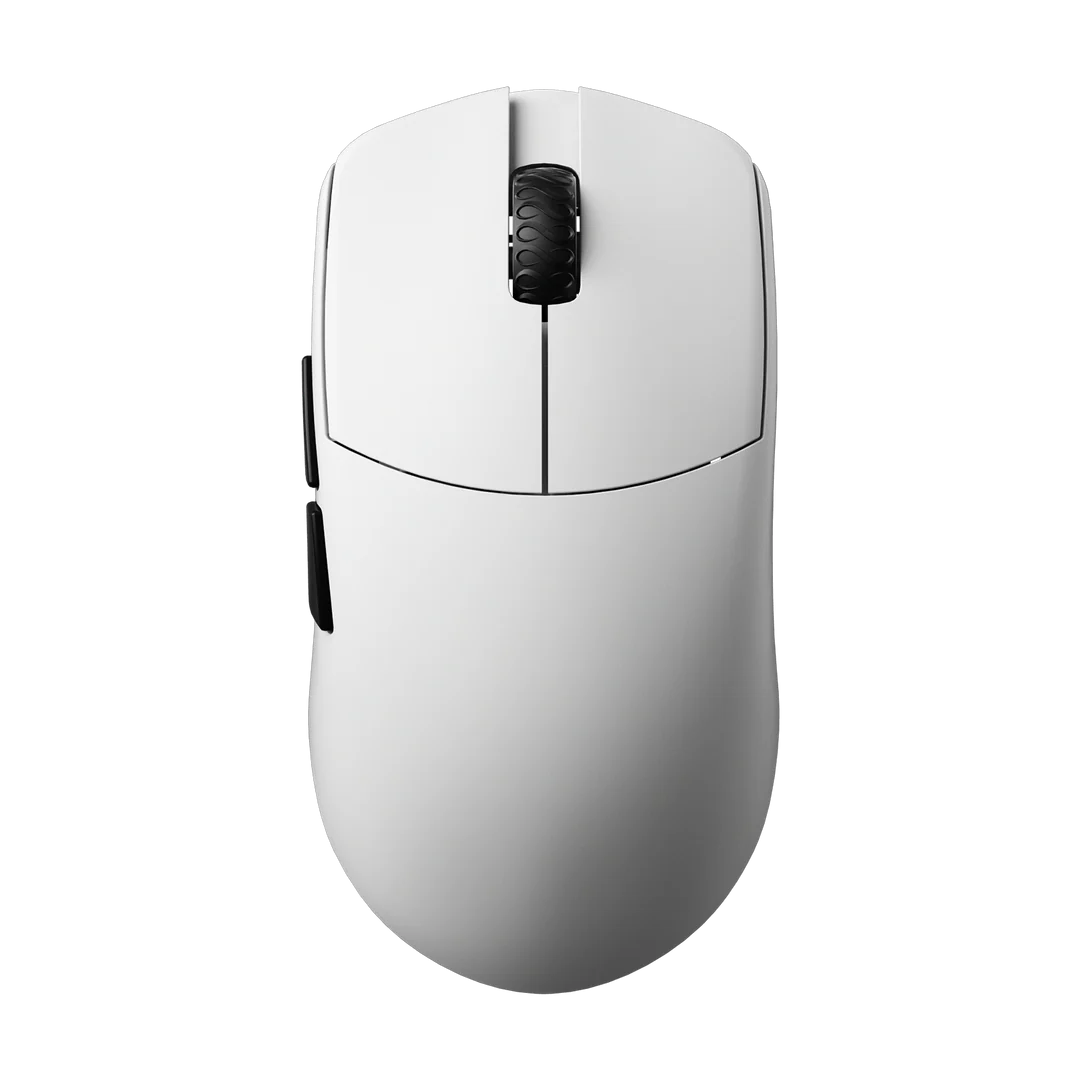
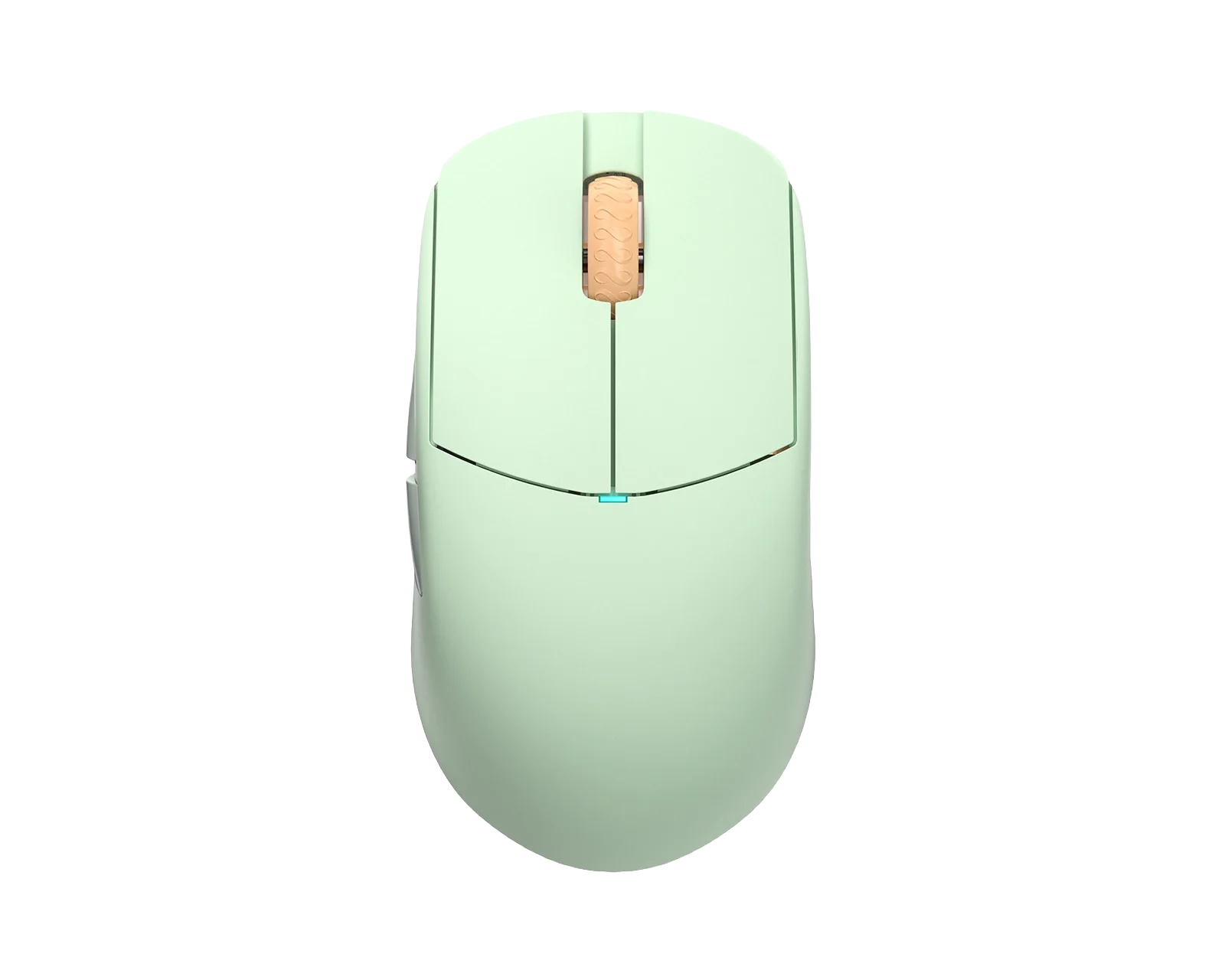
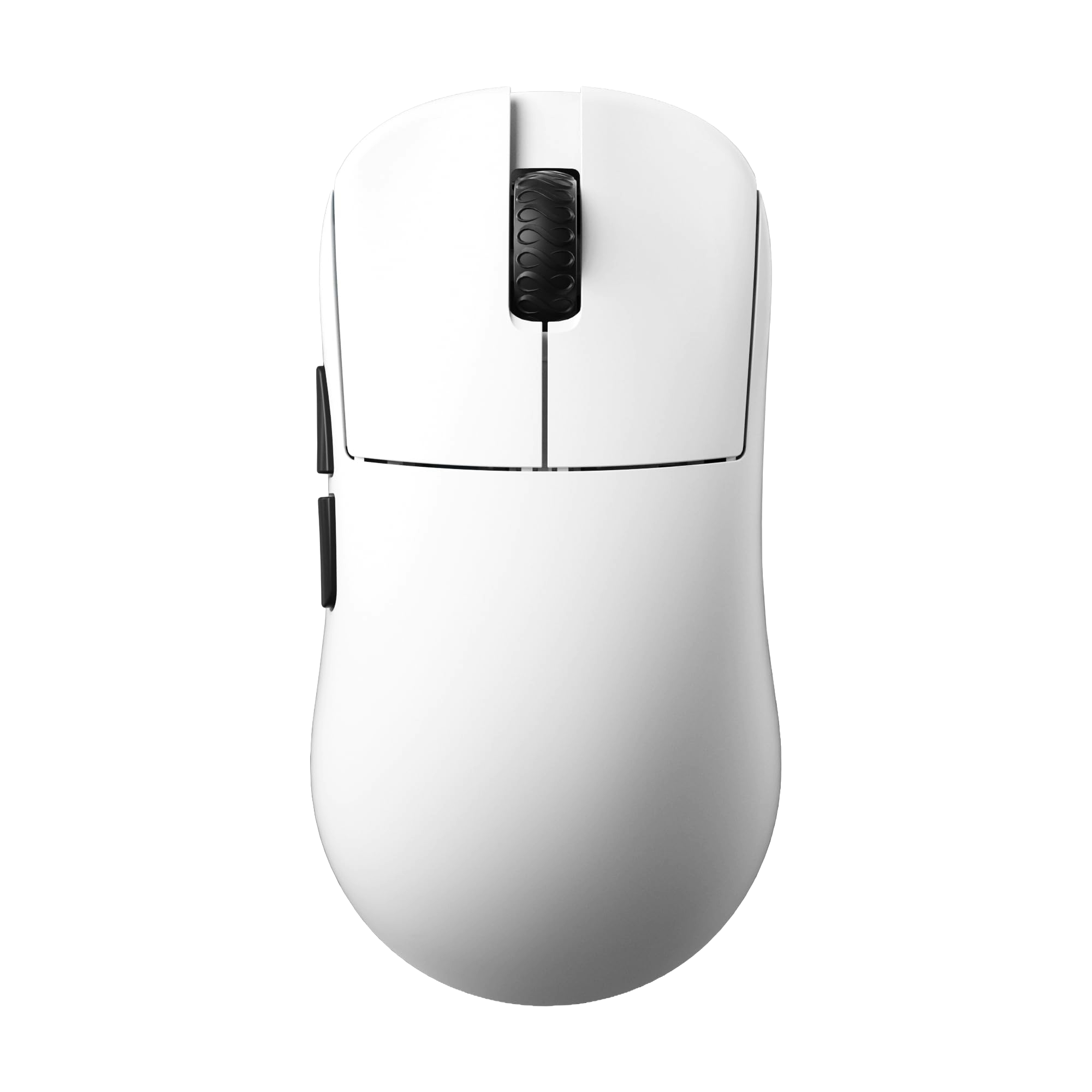
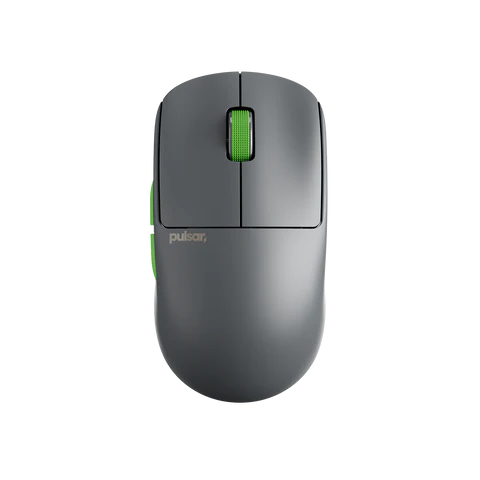
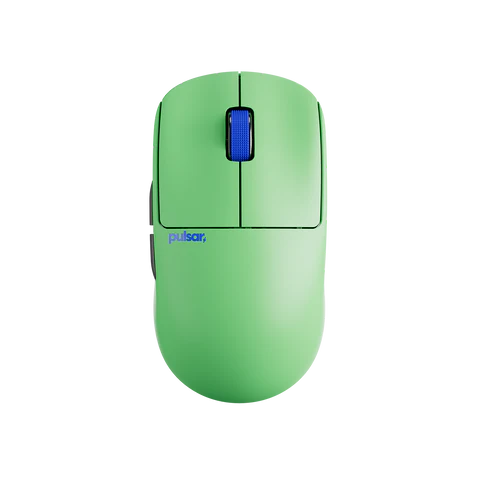
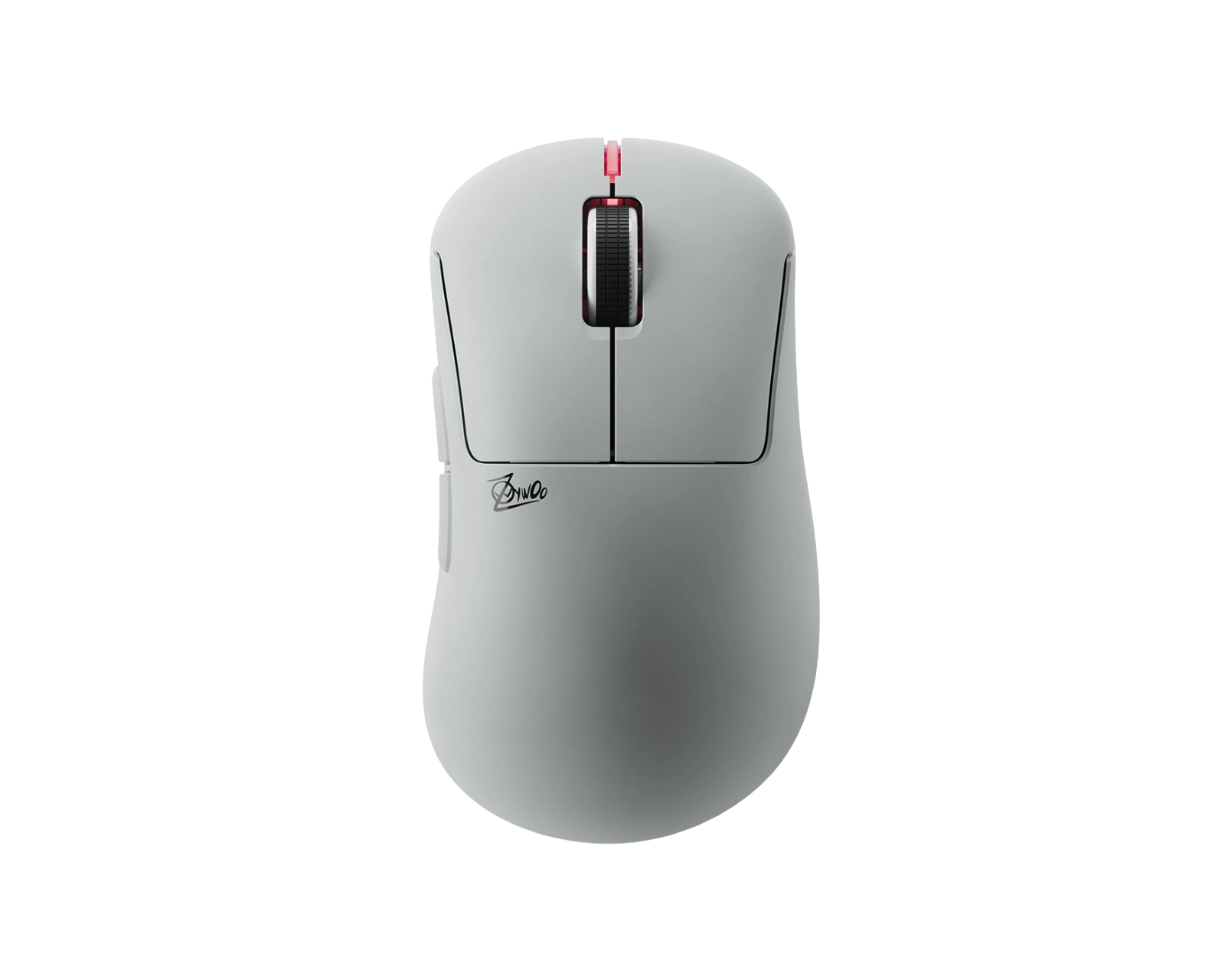
Pulsar has rapidly established itself as a serious contender in the competitive mouse market, earning significant pro adoption through excellent shape design and competitive pricing. The X2 series became a breakout hit, offering a symmetrical shape that many players found more comfortable than the Logitech G Pro X Superlight. Pulsar's collaboration with ZywOo on a signature mouse demonstrates the brand's growing credibility in professional esports. Their Xlite series offers ergonomic options, while the X2V2 and specialized models like the CrazyLight show their commitment to pushing performance boundaries. Pulsar's approach of offering many size variants and colorways gives players unusual freedom to find their perfect fit.
Pulsar at a Glance
Total mice in database: 17
Combined pro usage: 3%
Average weight: 48g
Weight range: 38g-59g
Average price: $105
Price range: $79-$129
Average rating: 8.7/10
Lightest mouse: Pulsar X2F (38g)
Most popular: Pulsar X2H (1% pro usage)
Sensors used: XS-1, PAW3395, PAW3370, PAW3950
Shape types: Symmetrical, Ergonomic
Complete Pulsar Mouse Lineup
All Pulsar esports mice — specifications, pricing, and pro usage
The Pulsar esports mouse lineup ranges from 38g-59g in weight and $79-$129 in price. The lightest option is the Pulsar X2F at 38g, while the most popular among pros is the Pulsar X2H at 1% usage. All Pulsar mice use sensors including XS-1, PAW3395, PAW3370, PAW3950.
2148+ Pros Tracked·16+ Mouse Brands·14 Major Games
|
Mouse Manufacturer Profiles
From industry giants to boutique innovators - the companies shaping competitive gaming
Razer
39% total pro usage · 20 models
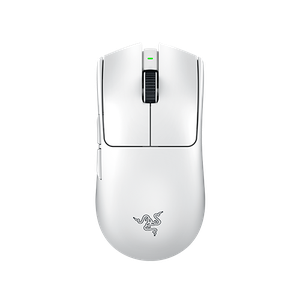
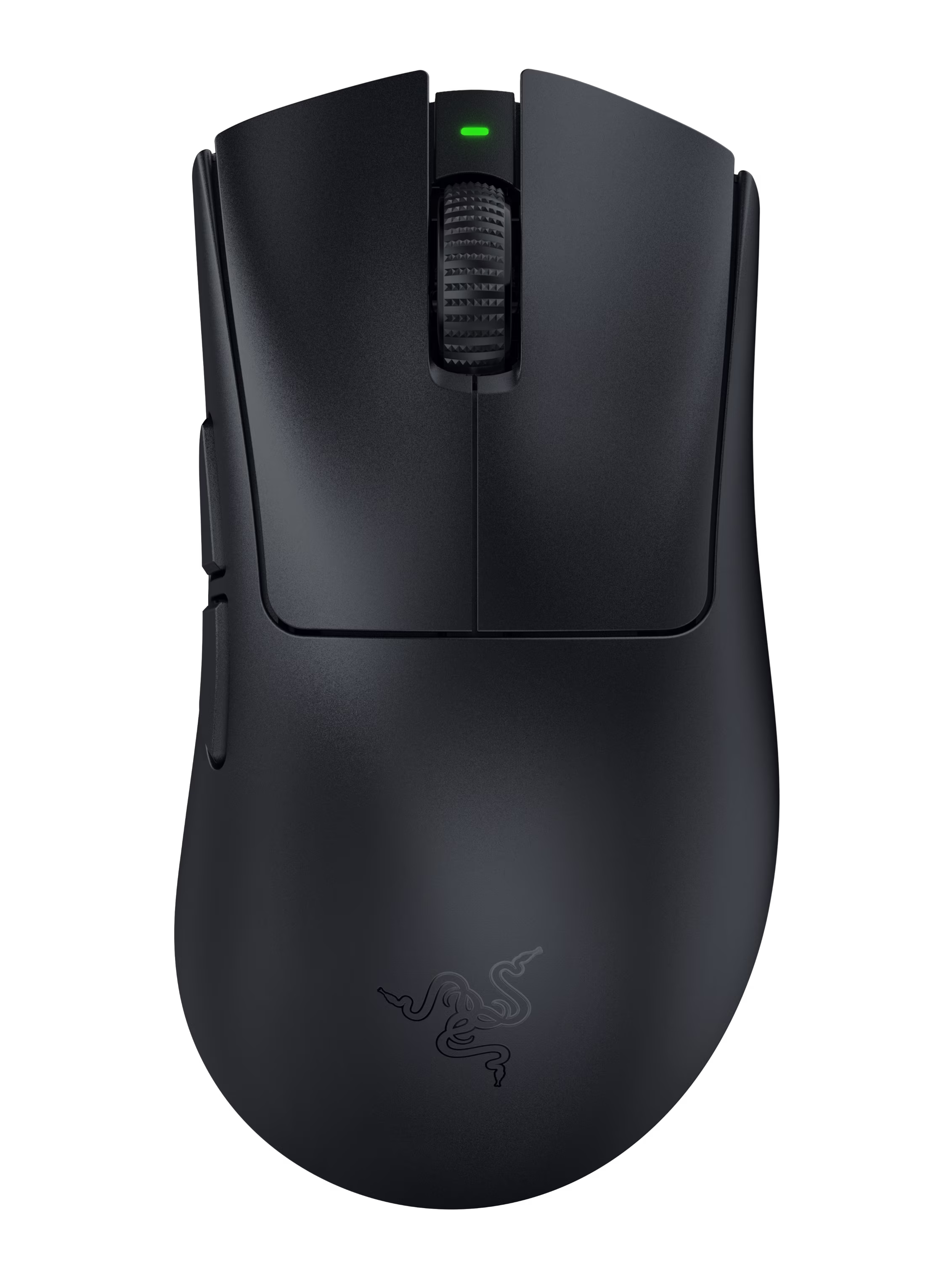
Viper V3 ProDeathAdder V3 ProViper V3 HyperSpeed
Razer is the undisputed king of esports peripherals in 2025-2026, commanding over 34% of the professional mouse market - a number that's even more impressive when you consider that Logitech held that throne unchallenged for nearly four years before Razer dethroned them. Founded in 2005 in San Francisco by Min-Liang Tan and Robert Krakoff, Razer grew from a niche gaming startup into a $2 billion global empire. The Razer DeathAdder, first released in 2006, became arguably the most popular gaming mouse shape ever made - its ergonomic right-hand design has been iterated on for nearly 20 years and cloned by dozens of competitors. Ask any mouse enthusiast to name the most influential mouse shapes of all time, and the DeathAdder will be in the top three alongside the IntelliMouse Explorer 3.0 and the original Logitech G Pro Wireless. The Viper line, launched in 2019, marked Razer's pivot toward symmetrical ultralight designs that would eventually conquer the FPS scene. But it was the Viper V3 Pro in 2024 that changed everything - at 54g with the Focus Pro 35K sensor, 8KHz polling, and Gen-3 optical switches, it became the single most-used mouse in professional esports almost overnight. The optical switch technology deserves special mention: when Razer introduced it with the original Viper in 2019, the industry was skeptical. Optical switches use an infrared light beam to register clicks instead of metal contact points, completely eliminating the debounce delay that plagued mechanical switches. Every major manufacturer has since scrambled to develop their own optical or hybrid solution, but Razer got there first and has had six years to refine the technology. The V3 Pro isn't just popular because of sponsorship deals - pros genuinely choose it because it combines the lowest click latency, best weight-to-rigidity ratio, and most refined shape in the ultralight symmetrical category.
Key Achievements
#1 most-used mouse in pro esports (Viper V3 Pro, 2024-Present)
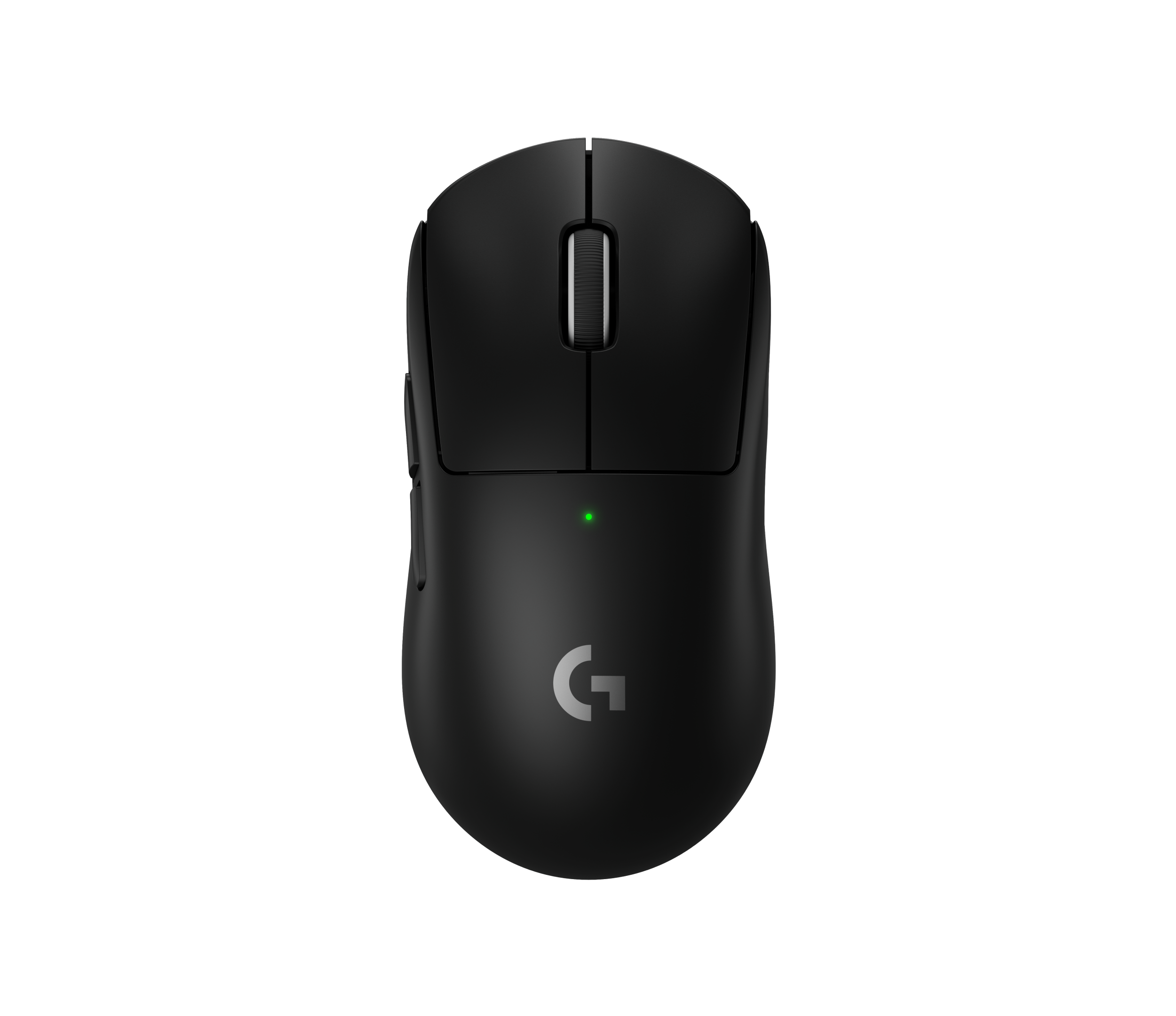
G Pro X2 SuperstrikeG Pro X Superlight 2G Pro X Superlight
Logitech is the Swiss-born giant that essentially invented the modern esports mouse category. Founded in 1981 in Lausanne, Switzerland, Logitech has been manufacturing mice longer than most gaming companies have existed. Their gaming division, Logitech G, has produced some of the most legendary peripherals in competitive history. The original G Pro Wireless, released in 2018, was a watershed moment - it was the first wireless mouse to be genuinely competitive with wired options, and it single-handedly convinced the professional scene that wireless was viable for tournament play. Before the GPW, the idea of using wireless in a $100K tournament final was laughable. After it, wireless became the default. The G Pro X Superlight, released in 2020 at just 63g, then became the most dominant mouse in esports history, used by an estimated 25% of all professional FPS players at its peak. For nearly four years (2020-2024), no other mouse came close. The HERO sensor, developed entirely in-house, represents one of the most impressive engineering feats in the peripheral industry - delivering zero smoothing, zero acceleration, and class-leading power efficiency. Logitech's Lightspeed wireless technology set the gold standard for low-latency wireless, and their newest Lightforce hybrid switches offered the best of both optical speed and mechanical feel. In 2025, they pushed boundaries again with the G Pro X2 Superstrike and its revolutionary HITS haptic inductive trigger system - replacing mechanical switches entirely with magnetic induction for tunable actuation, rapid trigger, and haptic feedback. It's the most technologically advanced mouse ever made, though whether pros will actually adopt it over the proven Superlight 2 remains an open question.
Key Achievements
Held #1 pro mouse position for 4 consecutive years (G Pro X Superlight, 2020-2024)
Pioneered viable wireless esports mice - the G Pro Wireless converted the entire pro scene (2018)
HITS technology in G Pro X2 Superstrike: first magnetic induction switches in a gaming mouse (2025)
Zowie occupies a sacred place in esports history as the brand that understood competitive players before anyone else did. Founded in 2008 in Taiwan and later acquired by BenQ, Zowie built its entire identity around one principle: plug-and-play simplicity with no software required. While other brands chased RGB lighting and app ecosystems, Zowie focused relentlessly on shape, ergonomics, and reliable performance. The EC series, inspired by the legendary Microsoft IntelliMouse Explorer 3.0, became the gold standard for ergonomic gaming mice throughout the 2010s. At the peak of CS:GO's competitive era (2014-2019), Zowie mice were used by an estimated 40-50% of all professional Counter-Strike players - a level of dominance that may never be matched. Players like s1mple, NiKo, coldzera, and device all built their legacies on Zowie shapes. The FK series pioneered the low-profile ambidextrous shape that would later inspire the Viper line. Zowie's refusal to require driver software earned them a cult following among purists. Though their market share has declined in the wireless era, their recent CW and DW wireless versions of classic shapes prove they can adapt while maintaining their identity.
Key Achievements
Dominated CS:GO pro scene with ~45% market share (2014-2019) - highest single-brand dominance ever
EC2 shape: the most cloned ergonomic mouse design in gaming history
Pioneered the 'no-software, plug-and-play' philosophy for esports peripherals
Finalmouse is the most polarizing and arguably the most influential boutique brand in gaming mouse history. Founded in 2014 in Irvine, California, Finalmouse didn't just enter the ultralight market - they created it. Full stop. Before Finalmouse, the idea of drilling holes in a mouse shell to save weight would have been considered insane. The original Ultralight Pro, released in 2018, shocked the industry at 67g with its honeycomb shell design, and within two years virtually every major manufacturer had copied it. Finalmouse then pushed further with the Air58 (58g) and the legendary Starlight-12, which used a magnesium alloy shell to hit 42g while maintaining structural rigidity. Their limited-drop business model, where mice sell out in minutes and resell for 3-5x retail, has created a secondary market unlike anything else in peripherals - a Starlight-12 in good condition still commands $300+ on the resale market years after release. The UltralightX in 2024 represented a more accessible direction with wider availability while still pushing boundaries with 8KHz polling and sub-45g weight. TenZ, arguably the most popular Valorant player in the world, has been a devoted Finalmouse user, lending the brand enormous visibility. Love them or hate them - and the mouse community is genuinely split - Finalmouse forced the entire industry to take weight seriously. Before them, 80-100g was 'normal.' Now, anything above 60g feels heavy. That's Finalmouse's legacy.
Key Achievements
Invented the ultralight honeycomb mouse category - copied by every major brand (2018)
Starlight-12: first magnesium alloy gaming mouse, hit 42g and shattered weight records (2021)
Created the most valuable secondary market in peripherals - Starlight mice resold for $300-$500+
Lamzu is the scrappy Hong Kong startup that proved you don't need decades of history to make a world-class mouse. Founded in 2022, they burst onto the scene with the Atlantis - a 55g wireless mouse that reviewers immediately praised for its build quality, sensor performance, and value proposition. In an era where Razer and Logitech charged $150+, Lamzu delivered comparable quality at $80-$100. The Atlantis Mini refined the formula with a smaller form factor that became a claw-grip favorite. But it was the Maya X in 2025 that truly elevated the brand - ScreaM, legendary for having the best aim in FPS history, chose it as his primary mouse, giving Lamzu credibility that money can't buy. In just three years, they've gone from unknown to a brand that established players genuinely fear.
Key Achievements
Disrupted the premium mouse market with flagship quality at $80-$100 (2022-Present)
ScreaM - 'the human aimbot' - chose Maya X as his primary mouse (2025)
Fastest-growing mouse brand in esports, from zero to top-6 market share in under 3 years
Pulsar is the South Korean engineering powerhouse that has been quietly building one of the most impressive mouse portfolios in the industry. Founded in 2020 in Seoul, Pulsar entered a crowded market but immediately differentiated itself with obsessive weight optimization, innovative materials, and a distinctly Korean approach to design - meticulous, detail-oriented, and focused on measurable performance over marketing hype. The X2 series became their flagship, delivering sub-55g weights with a comfortable egg-shaped design that works for multiple grip styles. What sets Pulsar apart is the breadth of their lineup: the X2, X2 Mini, X2H (hump-back), and X2F each target a specific hand size and grip style, showing a level of ergonomic consideration that most brands ignore entirely. They also produce some of the best glass mousepads in the industry, showing they understand the full aiming ecosystem. Their collaboration with ZywOo on a signature mouse cemented their credibility in the pro scene. They may not have the marketing budget of Razer or Logitech, but among the enthusiast community, Pulsar is spoken about with reverence usually reserved for much older brands.
Key Achievements
X2 series: consistently rated top-3 in value across all major peripheral review outlets
Pioneered sub-48g wireless gaming mice with the X2 Mini without sacrificing build quality
Built a devoted competitive aim-trainer community following - top choice among Kovaak's players
SteelSeries is one of the true OGs of esports peripherals, founded in 2001 in Copenhagen, Denmark - making them older than Razer in the competitive gaming space. The Sensei, released in 2011, was a landmark ambidextrous mouse that became a staple in CS 1.6 and early CS:GO. SteelSeries has always been known for their software ecosystem, and their consistent presence at major tournaments has made their logo one of the most recognized in competitive gaming. While they haven't recaptured their early-2010s dominance in the mouse space, they remain a trusted name with a loyal following, particularly in the Nordic esports scene.
Key Achievements
One of the first companies to design mice specifically for esports (2001)
Sensei: defined the ambidextrous esports mouse shape for a generation (2011)
Pioneered unified peripheral software management with SteelSeries Engine
Corsair is a peripheral powerhouse historically known for keyboards, cases, and RAM, but their mouse division has been making serious strides. Founded in 1994 in Fremont, California, Corsair has engineering depth and manufacturing scale that few can match. The M75 Air impressed with 8KHz polling and competitive weight at an accessible price point, while their iCUE software offers one of the most comprehensive customization suites available. Their acquisition of Elgato and SCUF positions them as a full-ecosystem gaming company. Still building their esports mouse reputation compared to Razer and Logitech, but Corsair's R&D resources mean they're always a few iterations from producing something category-defining.
Key Achievements
M75 Air: brought 8KHz polling to a competitive price point for mainstream adoption
iCUE ecosystem: one of the most comprehensive peripheral customization platforms
Built a full gaming ecosystem through strategic acquisitions (Elgato, SCUF, Origin PC)
Endgame Gear is the German precision-engineering brand that approaches mouse design with the meticulousness you'd expect from the country that gave us Porsche and Leica. They made their name with the XM1 - designed from the ground up based on pro CS:GO feedback, it delivered what was widely considered the best stock cable and click feel in the industry at launch. The OP1 8K pushed them into high-polling wireless territory. Their philosophy is pure no-nonsense: clean aesthetics, excellent component choices, and shapes refined through extensive pro testing. No gimmicks, no RGB - just the fundamentals that competitive players actually care about.
Key Achievements
XM1: widely considered to have the best stock mouse cable in the industry at launch
OP1 8K: showcased German precision engineering in the 8KHz wireless era
Known for the cleanest stock switch implementation and click feel among enthusiast brands
ASUS
0% total pro usage · 3 models
ROG Harpe Ace ExtremeROG Gladius IIIROG Keris
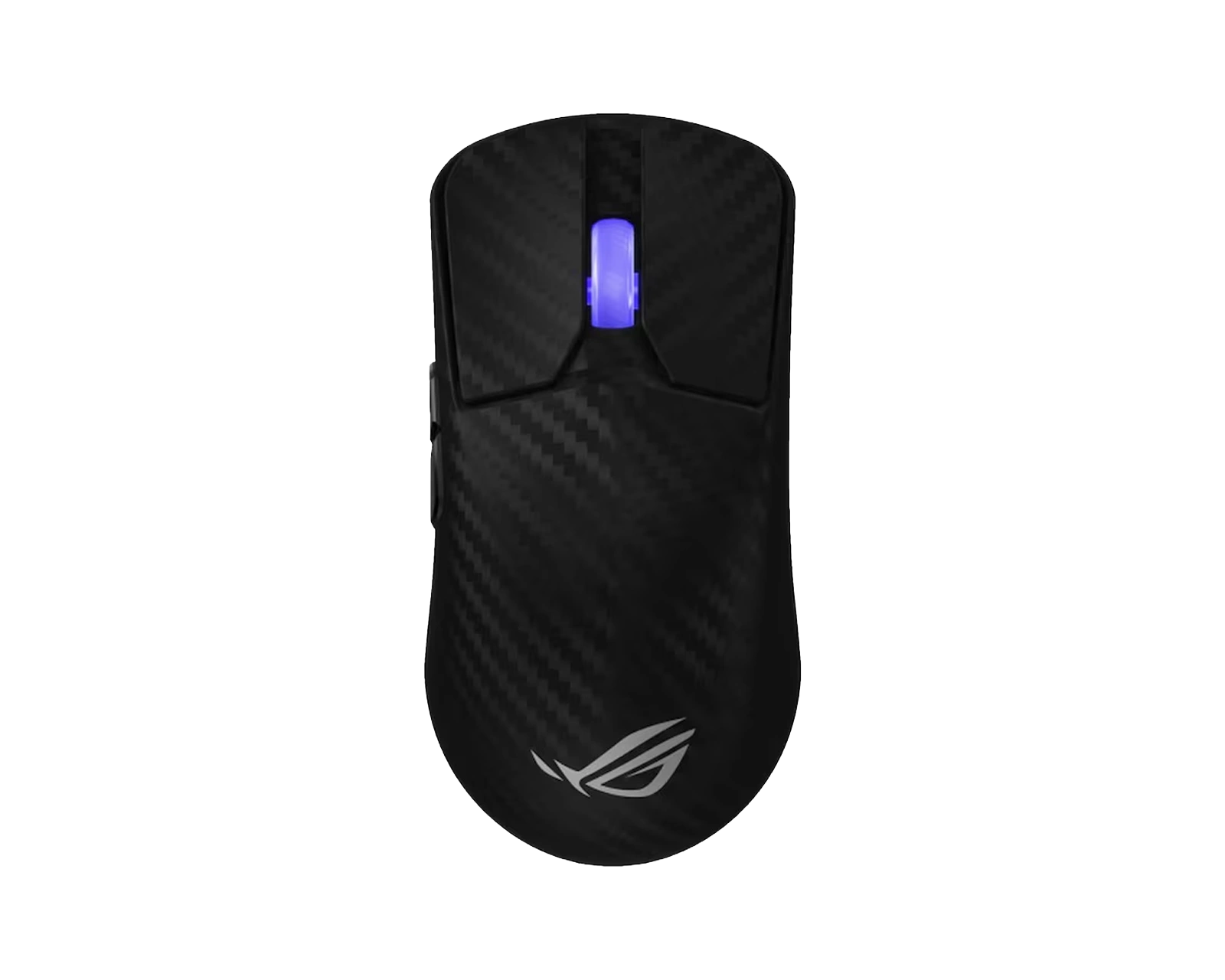
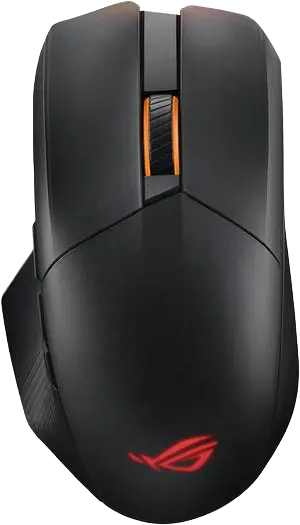
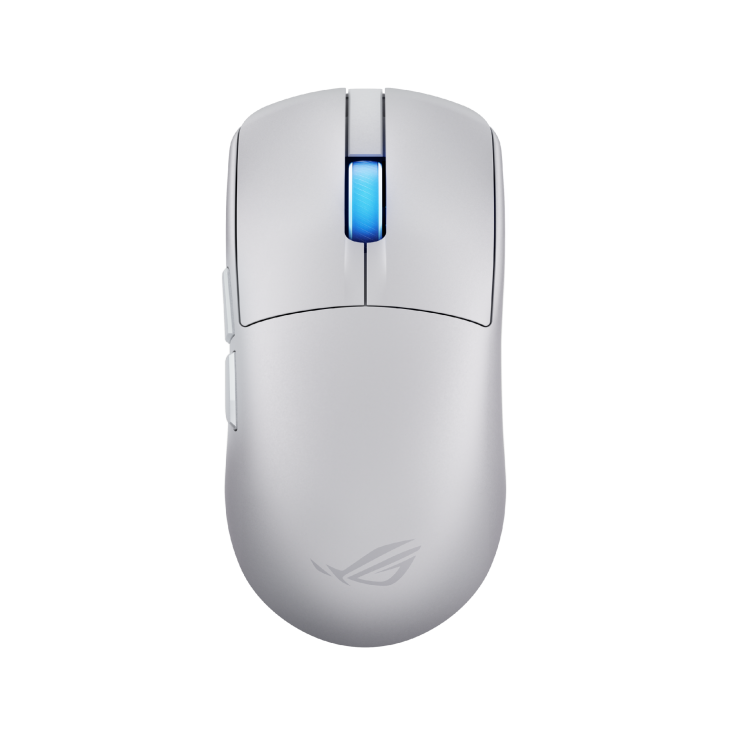
ASUS's Republic of Gamers (ROG) division brings something no other mouse manufacturer can - they design and fabricate their own chips. This vertical integration gives them unique optimization capabilities between sensor, MCU, and wireless radio that companies buying off-the-shelf components simply cannot replicate. The ROG Harpe Ace Extreme, at just 47g with a carbon fiber composite shell, represents one of the most technically ambitious mice ever made. The Gladius III and Keris lines serve as more accessible entry points. As they continue investing in peripherals, ASUS has the silicon expertise to potentially become a top-3 esports mouse brand.
Key Achievements
ROG Harpe Ace Extreme: 47g carbon fiber composite - lightest premium wireless mouse from a major brand
Only mouse manufacturer that designs custom silicon for sensor and wireless integration
ROG ecosystem integration: seamless cross-device syncing across the broadest peripheral lineup
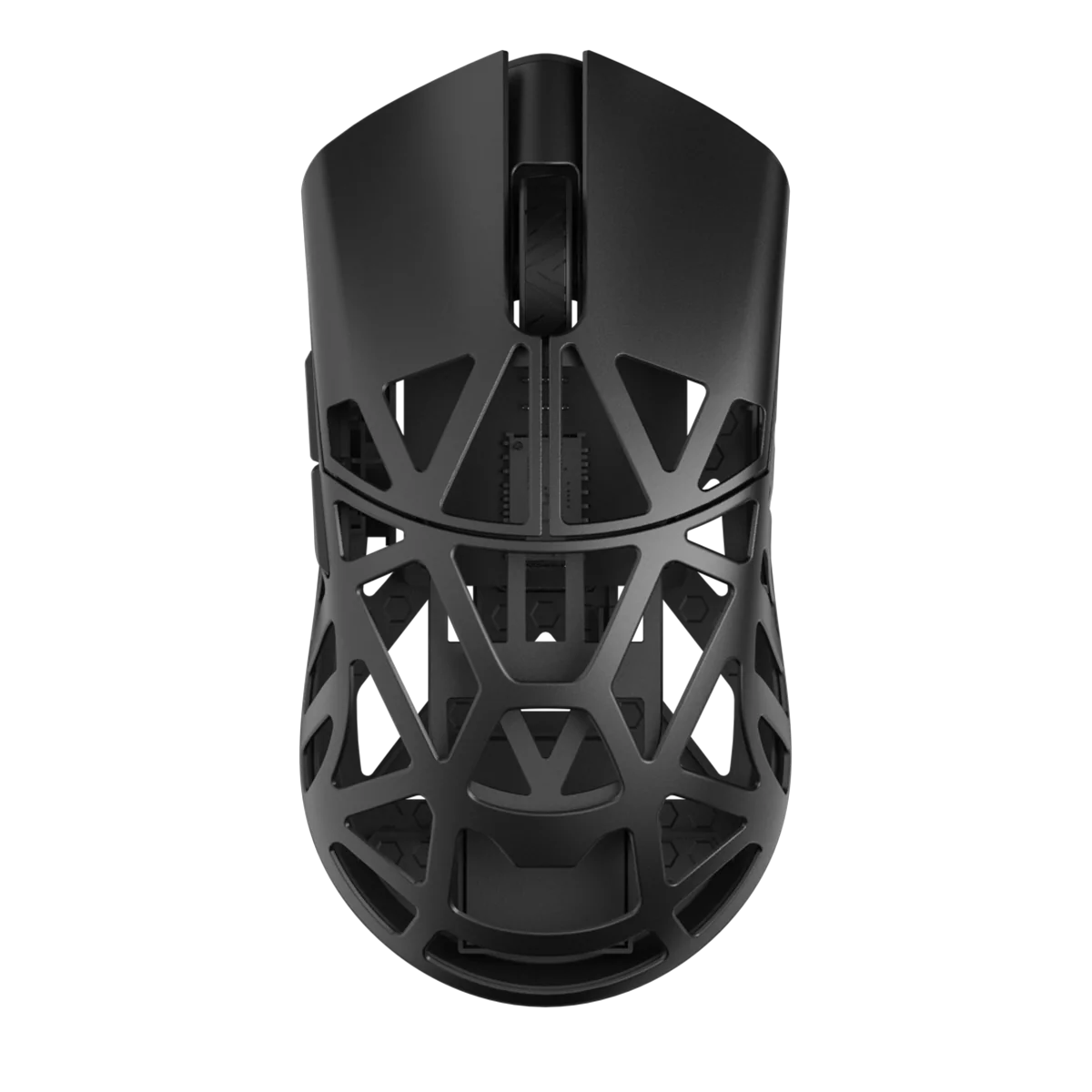
WLMouse achieved what no established manufacturer could - a production wireless gaming mouse weighing just 30 grams. The Beast X launched as a crowd-funded project and became an instant sensation, selling out repeatedly. To put 30g in perspective: it's lighter than most AA batteries, and roughly half the weight of the already-ultralight Superlight. While some players find it too light for precise control, the Beast X expanded everyone's understanding of what's physically possible in mouse engineering. The Beast X Mini pushed even further to 28-29g. WLMouse represents the absolute bleeding edge - and their success has forced every established brand to reconsider their weight targets.
Key Achievements
Beast X: world's lightest production wireless gaming mouse at 30g - a record that still stands
Proved crowd-funded mouse brands can compete with established manufacturers
Shifted the entire industry's weight targets downward - 50g is now 'normal' partly because of WLMouse